
The SHERA Mission Concept

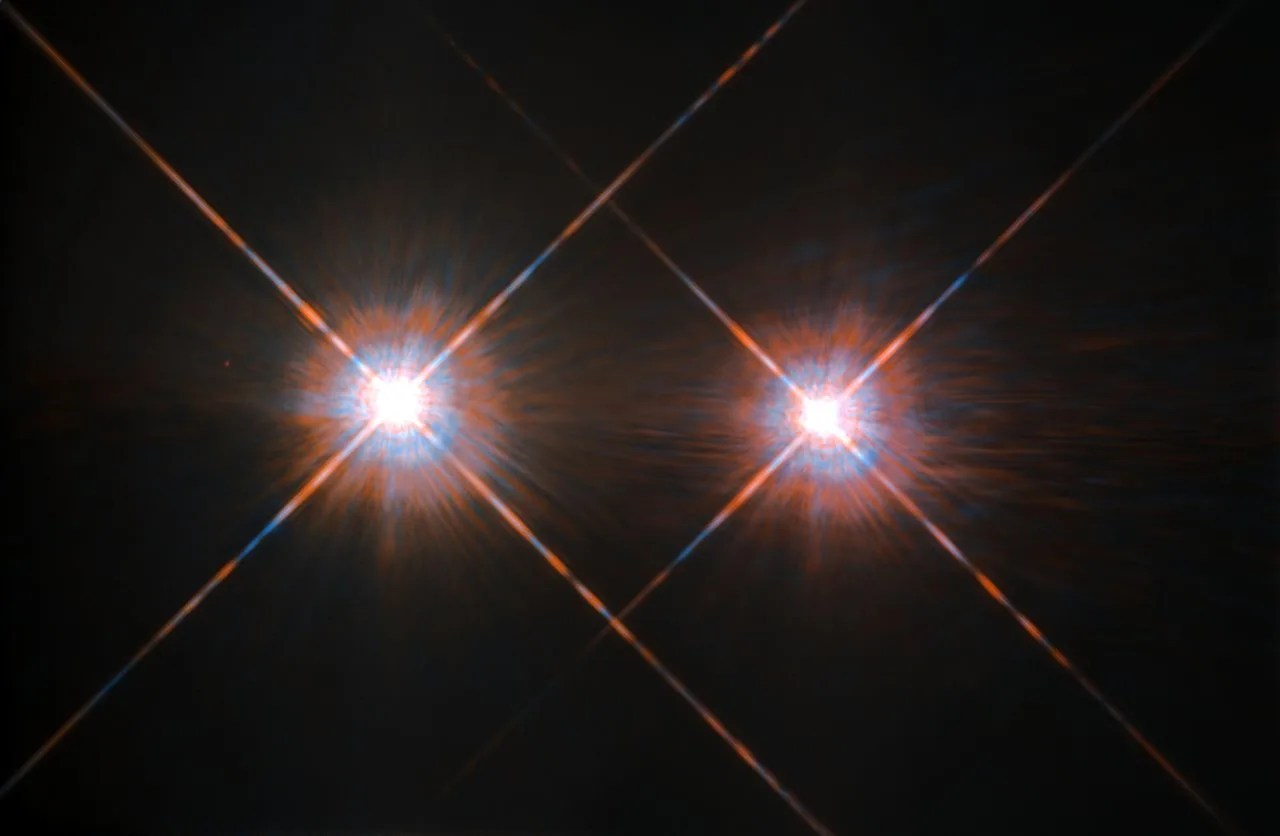
Searching for Habitable Exoplanets with Relative Astrometry (SHERA) is a Small Explorer-class mission concept, using cutting edge diffractive pupil technology to perform sub-microarcsecond relative astrometry measurements on nearby Sun-like stars in multistar systems. SHERA will be sensitive to rocky planets in the habitable zones of these stars for the first time, potentially discovering the nearest Earth-like planets.

Science Goals

SHERA has three main science objectives:

  • To find nearby rocky planets in the habitable zones of Sun-like stars in multistar systems;
  • To determine whether planet occurrence is suppressed across the solar system terrestrial zone in multistar systems; and
  • To measure the orbits and masses of stars in nearby multistar systems with state-of-the-art precision.


Science Team

  • PI: Jessie Christiansen (Caltech/JPL)
  • Deputy PI: Gautam Vasisht (JPL)
  • Project Scientist: Eric Mamajek (JPL)
  • Juliette Becker (UWM)
  • Chas Beichman (JPL)
  • Rus Belikov (Ames)
  • Eduardo Bendek (Ames)
  • Catherine Clark (Caltech/IPAC)
  • Pierre Kervella (PSI)
  • Kaitlin Kratter (UA)
  • Yiting Li (UMich)
  • Michael Meyer (UMich)
  • Eric Nielsen (NMSU)
  • William Roberson (NMSU)
  • Armen Tokadjian (JPL)
  • Peter Tuthill (USyd)

Papers